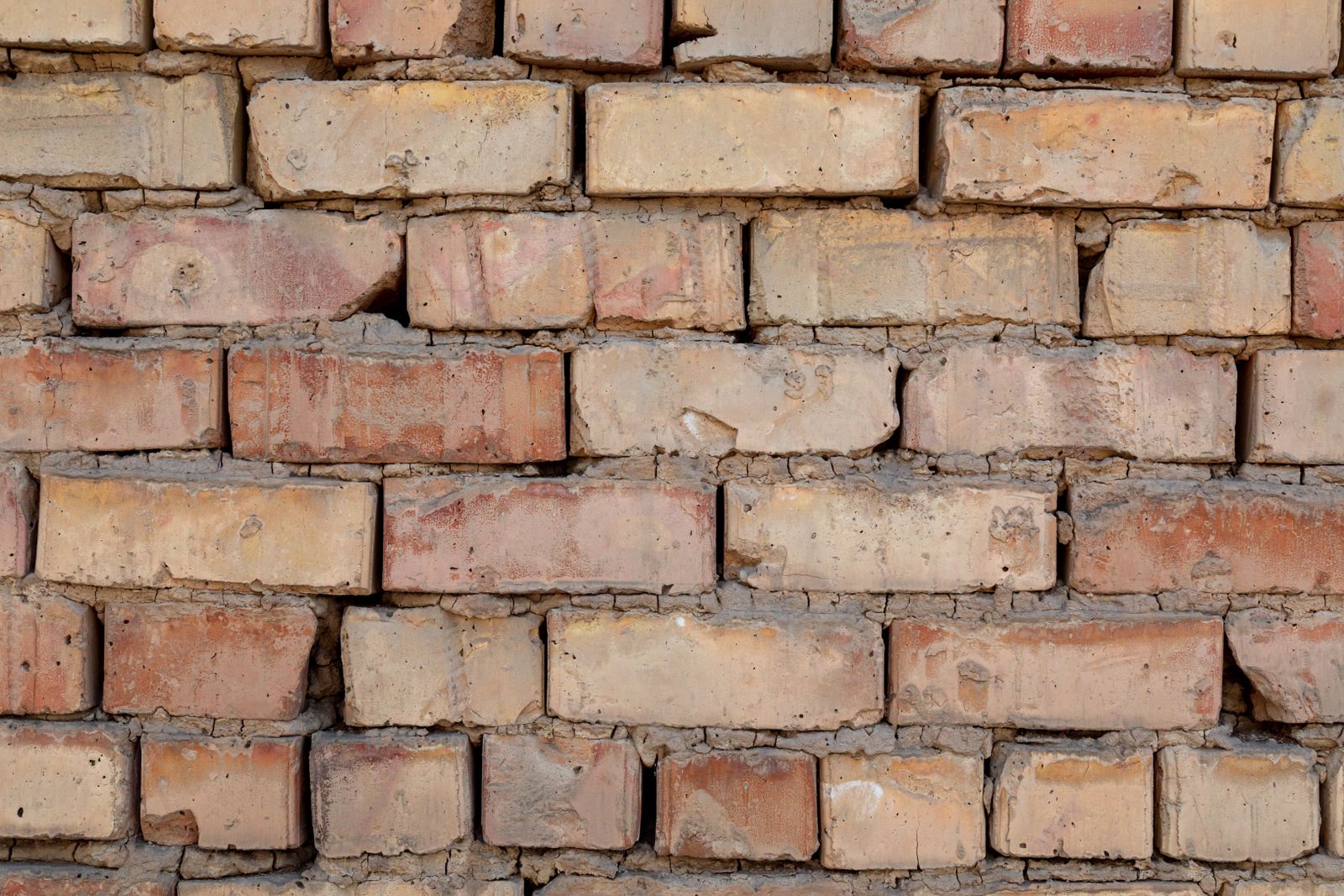
If you look closely at an older brick wall, you’ll usually find the mortar looking rougher than the brick around it — and that’s by design. Mortar is meant to wear out first. Understanding why makes it much easier to spot the early signs before that wear turns into a bigger, wetter problem.
Mortar Is Supposed to Be the Weaker Material
It sounds backwards, but a wall built with mortar softer than its brick is a wall built correctly. Brick is durable and expensive to replace individually; mortar is comparatively cheap and easy to repair in sections. Masons have long mixed mortar to be slightly weaker and more flexible than the brick or block it holds together, on purpose, so that stress, movement, and water damage show up in the mortar joints first — where they’re simple to fix — rather than cracking or spalling the brick itself, which is far more difficult and costly to address.
How Water and Freeze-Thaw Cycling Break It Down
Mortar is porous, and over time it absorbs moisture from rain, snowmelt, and humidity. In Toronto’s climate, that moisture regularly freezes and thaws through the winter and shoulder seasons. Each time water inside the mortar freezes, it expands; each time it thaws, it contracts. Repeated over dozens of cycles every year, this slowly breaks down the internal structure of the mortar, causing it to crumble, lose adhesion, and eventually wash or fall out of the joint. Age adds to this on its own, as the binding compounds in older mortar naturally weaken over decades.
How to Spot Failing Mortar
The signs are usually visible if you know what to look for: mortar that’s visibly crumbling or missing between bricks, hairline gaps opening up along the joint lines, and mortar that powders or flakes away when you scratch it with something like a key or a screwdriver tip. Discoloration, staining, or a chalky white residue (efflorescence) on the brick face near a joint is also a sign that water has been moving through that area. None of these need special tools to check for — a walk around the exterior of the house is often enough to spot the early stages.
Why It Matters More Than It Looks
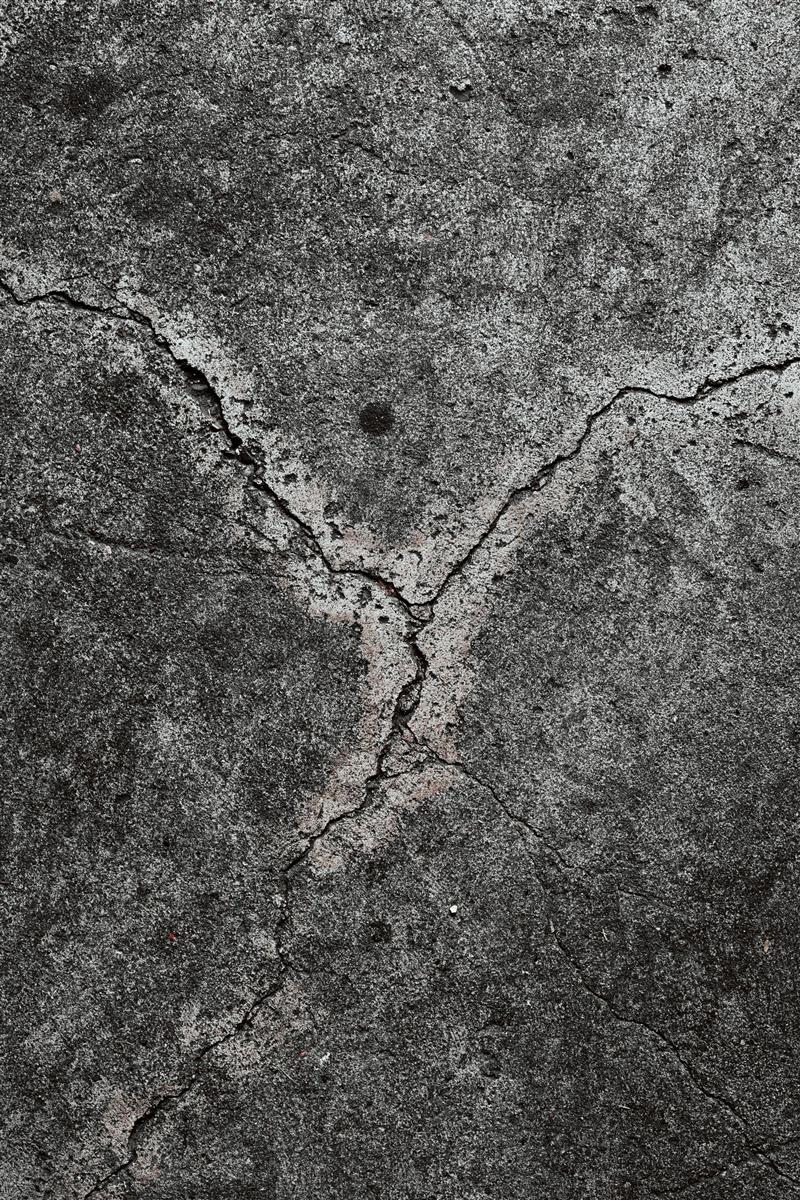
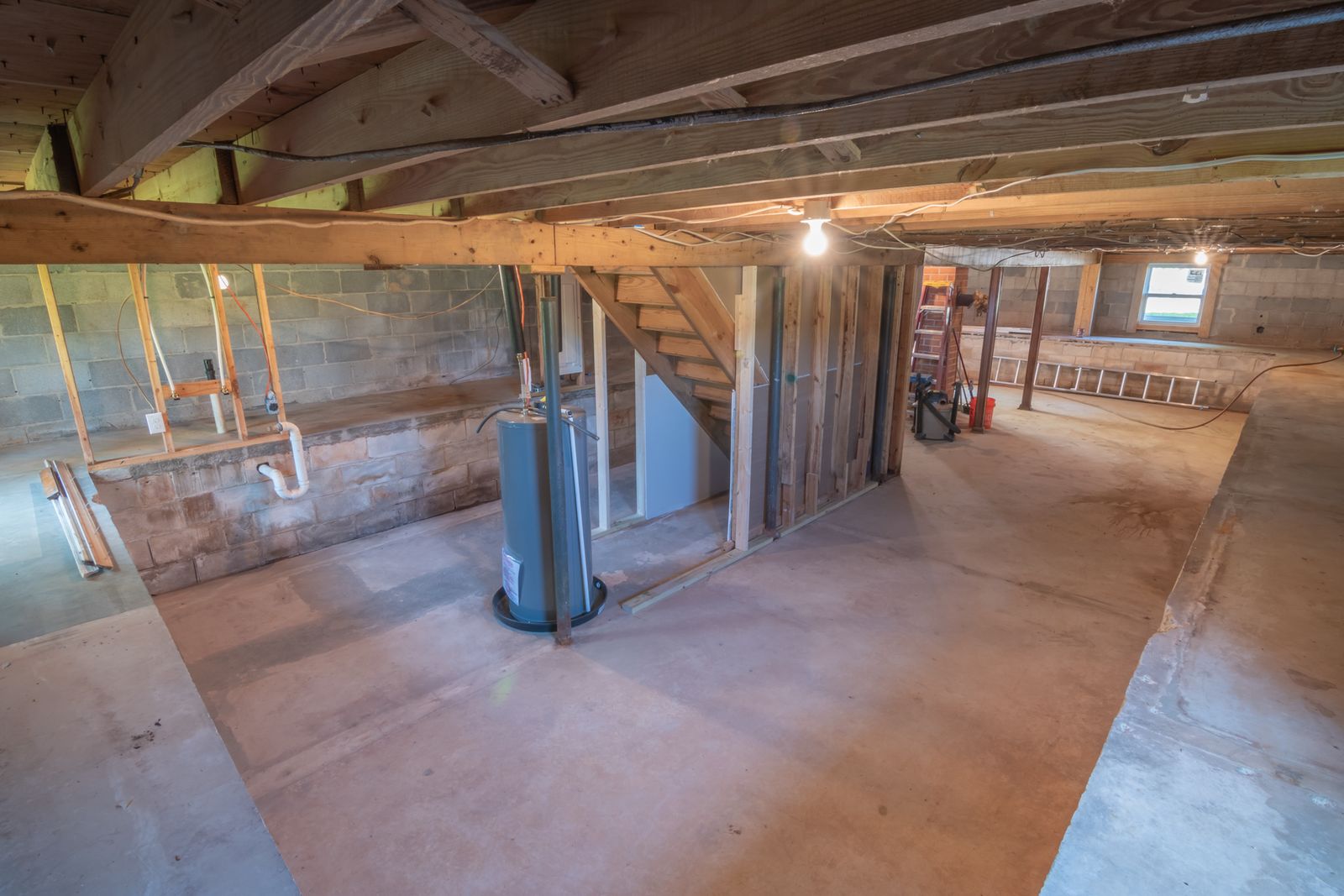
A crumbling mortar joint isn’t just a cosmetic issue. Once the joint fails, it opens a direct path for water to get behind the brick veneer and into the wall assembly, and in a basement or foundation context, that water can eventually find its way to the interior. Left long enough, deteriorating mortar can also allow brick to shift slightly, which accelerates wear on the surrounding joints and, in more advanced cases, affects the structural stability of the wall itself. What starts as a small, inexpensive repair gets more involved the longer it’s left alone.
What Tuckpointing Actually Involves
Tuckpointing, also called repointing, is the process of removing failing mortar and replacing it with new material. It starts with carefully grinding or chiselling out the old, deteriorated mortar to a consistent depth, without damaging the surrounding brick. New mortar, mixed to match the strength and, ideally, the appearance of the original, is then packed into the joint and finished to match the surrounding pattern. Done properly, it restores both the structural integrity of the joint and the water resistance of the wall — done poorly, with mortar that’s too hard or too different from the original, it can actually accelerate damage to the brick around it.
How Tuckpointing Connects to Waterproofing
Sound masonry and effective waterproofing go hand in hand. If a foundation or exterior wall has failing mortar joints, water will keep finding a way in through those joints regardless of what waterproofing work is done elsewhere, which is why masonry repair is often a necessary first step before or alongside exterior waterproofing. Addressing the mortar without addressing drainage, or vice versa, tends to leave part of the problem unsolved.
When to Have It Looked At
If you notice crumbling mortar, gaps, or a chalky residue on brick anywhere near your foundation, it’s worth having it assessed before the next freeze-thaw season adds to the damage. See our masonry repair page for how we evaluate and repair mortar joints, and how that work fits into a broader waterproofing plan when needed.
Rule of thumb: if mortar powders when you scratch it with a key, it’s past its service life. That’s the moment to schedule tuckpointing, not wait for bricks to loosen or water to show up inside.