
A crack in your foundation is information, not a verdict. Its width, direction, and behaviour tell you roughly how serious it is — long before anyone puts a tool to it. Here’s how to read one.
Start With Where It Is and Which Way It Runs
Foundation cracks generally fall into a small number of categories, and the category matters more than the length. A one-metre hairline crack running straight up and down is often less concerning than a five-centimetre horizontal crack, even though the second one looks smaller on paper. Direction tells you what kind of force created the crack, which is the real question.
Hairline Cracks
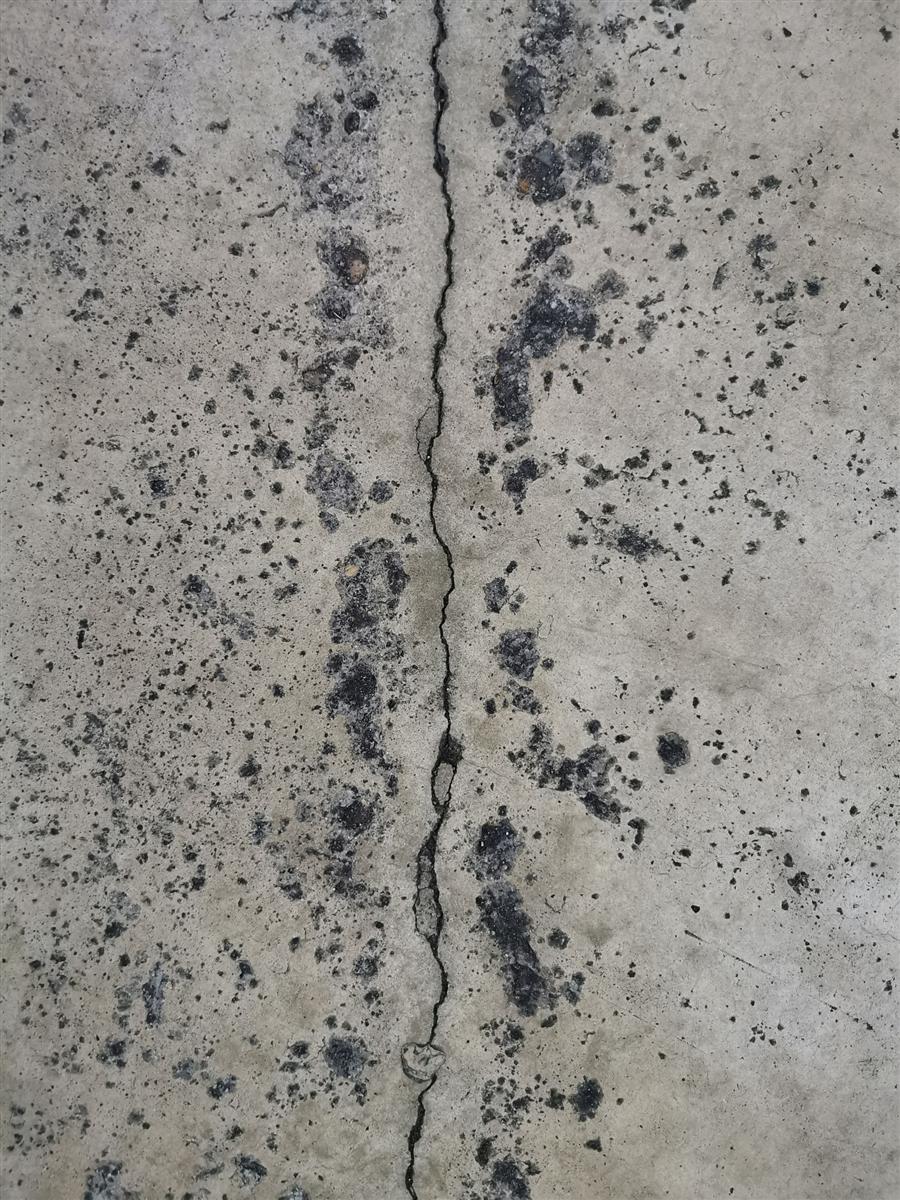
Thin, often web-like cracks that appear within the first year or two after a house is built are usually shrinkage cracks — concrete loses moisture as it cures and contracts slightly, and the wall finds a natural stress point to release that at. On their own, hairline cracks under about 1.5 mm wide, that aren’t growing and aren’t leaking, are typically cosmetic. Worth noting, worth a look during a routine inspection, not usually urgent.
Vertical and Diagonal Cracks
These run up and down, or on an angle, through a poured concrete wall. They’re the most common type we’re called out for, and the most straightforward to repair with epoxy or polyurethane injection. They typically form from normal settling or from hydrostatic pressure pushing against the wall from outside. A vertical crack that’s wider than a pencil, changing over time, or letting water through is a good candidate for injection repair — and worth having assessed before it grows further.
Horizontal Cracks
These are the ones to take most seriously. A horizontal crack, especially one running across the middle third of a foundation wall, often means the wall is being pushed inward by soil and water pressure from outside — sometimes enough that the wall has started to bow. This isn’t a crack you patch and forget; it’s a sign the wall itself may need reinforcement or that the pressure against it needs to be relieved, which can mean exterior waterproofing, wall anchors, or in more advanced cases, an engineering assessment for underpinning. If you see a horizontal crack, especially with any visible bowing, get it looked at promptly.
Stair-Step Cracks
Common in block or brick foundations, these follow the mortar joints in a zigzag pattern rather than cutting straight through material. They usually point to uneven settling — one section of the foundation moving slightly differently than the section next to it. A narrow, stable stair-step crack might just need mortar repair. A widening one, or one paired with a door or window that’s suddenly sticking, deserves a closer structural look.
Cracks Around Windows, Pipes, and Corners
Cracks that radiate from the corners of basement windows, or from where a pipe penetrates the foundation wall, are common because those are natural stress-concentration points. They’re not automatically serious, but because they sit right where water is most likely to find a path in, they’re worth sealing properly rather than leaving alone.
What Actually Determines the Fix
In practice, the repair method comes down to two questions: is the crack structural (does it affect the wall’s integrity) or non-structural (cosmetic, or just an entry point for water), and is it currently leaking. Non-leaking structural cracks generally get epoxy injection, which bonds the concrete back into one piece. Leaking cracks, whether structural or not, generally get polyurethane injection, which stays flexible and seals against water even under pressure. Cracks tied to a bowing wall need to be addressed as part of a larger repair, not injected on their own.
When to Stop Guessing and Get an Inspection
You don’t need to diagnose your own foundation. If a crack is new, growing, wider than about 3 mm, letting water through, or running horizontally, it’s worth a free, no-obligation inspection so you know exactly what you’re dealing with before deciding what to do. See our foundation crack repair page for how we approach the fix once we know what type of crack it is.
Rule of thumb: vertical and diagonal cracks are usually a repair job. Horizontal cracks and any sign of a bowing wall are a “call sooner rather than later” situation.