Underpinning is one of the more serious words in foundation repair, and it gets thrown around more casually online than it should be. Most cracks and most minor settling do not require it. But there are specific, recognizable signs that point to a real structural problem underneath — here’s what to actually watch for.
What Underpinning Actually Is
Underpinning is a specialist structural process, not a routine repair. It involves excavating below the existing footing in short sections, one at a time, and pouring a new, deeper footing and foundation wall beneath the original. Each section is completed and allowed to cure before the next section is opened, so the house is never left without adequate support. It’s used either to extend a basement’s ceiling height by lowering the floor, or to stabilize a foundation that has lost adequate bearing support and is settling. It is engineered work, typically guided by a structural assessment, and it is not something that should be recommended casually.
1. Doors and Windows That Stick or No Longer Close Square
Every house shifts slightly with the seasons, so an occasionally sticky door isn’t alarming on its own. What matters is a pattern: several doors or windows across different parts of the house that have gradually stopped closing flush, or that now need noticeably more force, especially if this has developed over months rather than always being there. That pattern usually means the frame around them is racking slightly out of square, which happens when the foundation beneath part of the house is moving.
2. Visibly Sloping or Uneven Floors
A floor that noticeably slopes toward one wall, or where a marble or ball rolls consistently in one direction, suggests one section of the foundation has settled lower than the rest. Older homes can have some natural unevenness from original construction, so the key question is whether it’s new, whether it’s getting worse, and whether it lines up with cracking elsewhere in the same area.
3. Horizontal Cracks Paired With a Bowing Wall
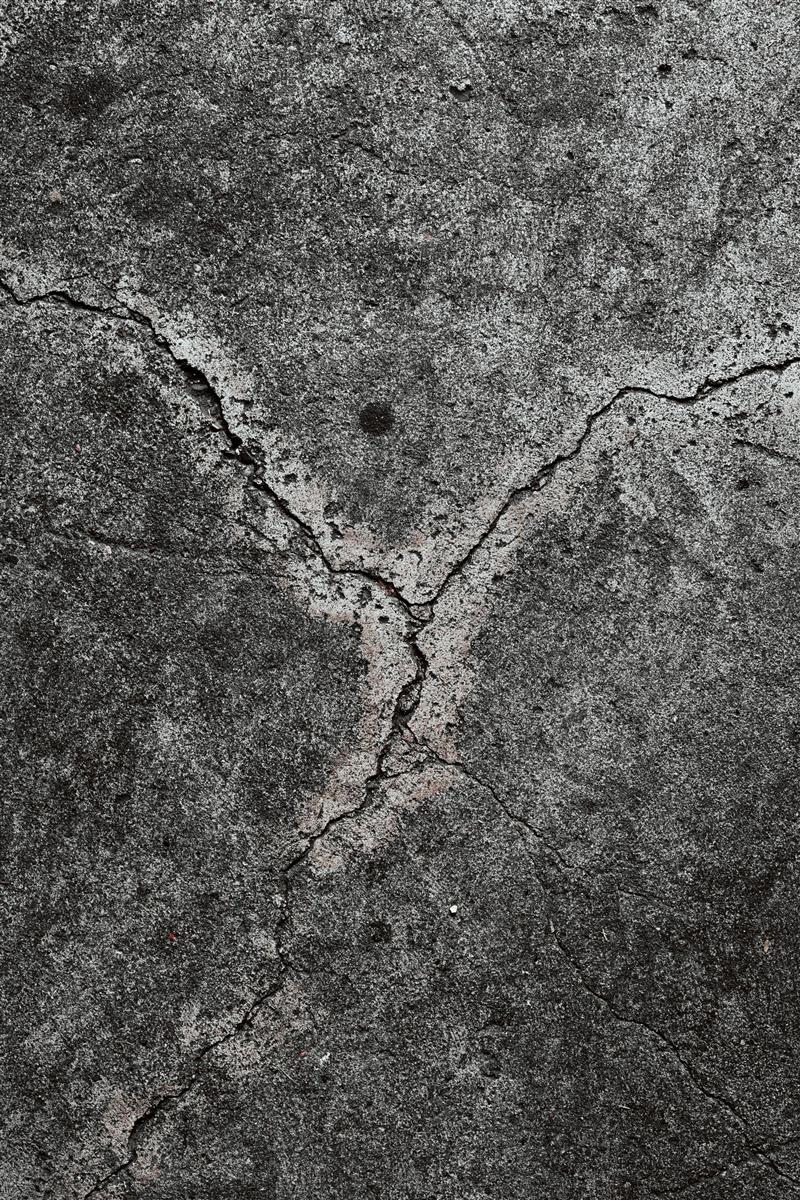
A horizontal crack across a foundation wall is already worth attention on its own, but when it’s paired with a wall that visibly bulges or bows inward, that combination points to real lateral pressure from the soil outside overwhelming the wall’s ability to resist it. In more advanced cases, this can affect the wall’s ability to properly bear the load above it, which is one of the situations underpinning or wall reinforcement gets evaluated for.
4. Widening Stair-Step Cracks in a Block Foundation
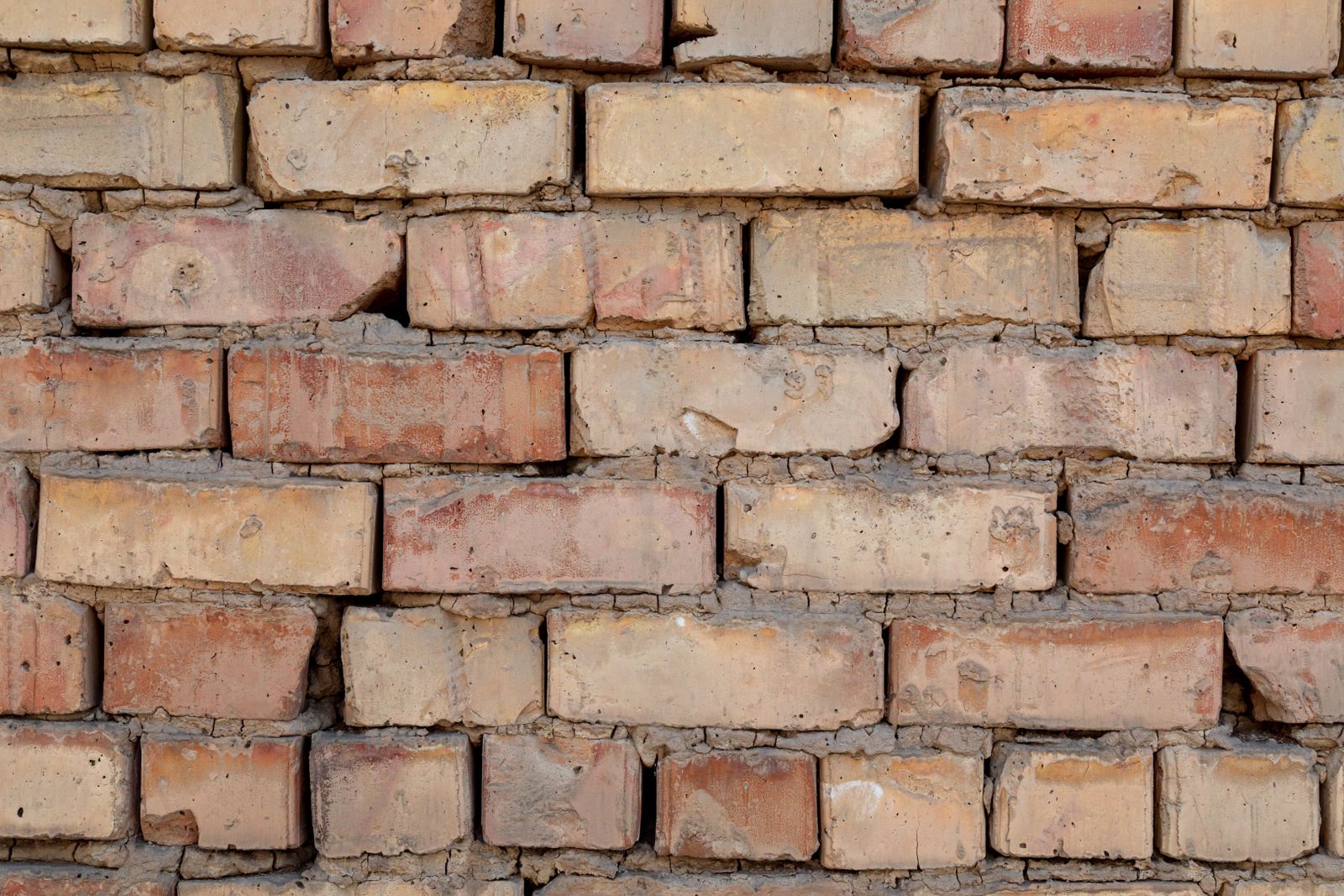
Stair-step cracks that follow the mortar joints in a block or brick foundation are common and often harmless when they’re stable. The concern is a stair-step crack that’s actively getting wider over weeks or months, or one you can fit a coin into at one end and not the other — that gradient is a sign of ongoing, uneven movement rather than a one-time settling event that has already stopped.
5. A Previous Inspection Flagged Settlement
If a home inspection, insurance assessment, or engineer’s report has already noted settlement, differential movement, or inadequate footing depth, that’s not something to file away and forget, particularly before a renovation, addition, or resale. A documented concern is worth following up with a proper structural evaluation rather than waiting for visible symptoms to get worse.
What This List Is Not
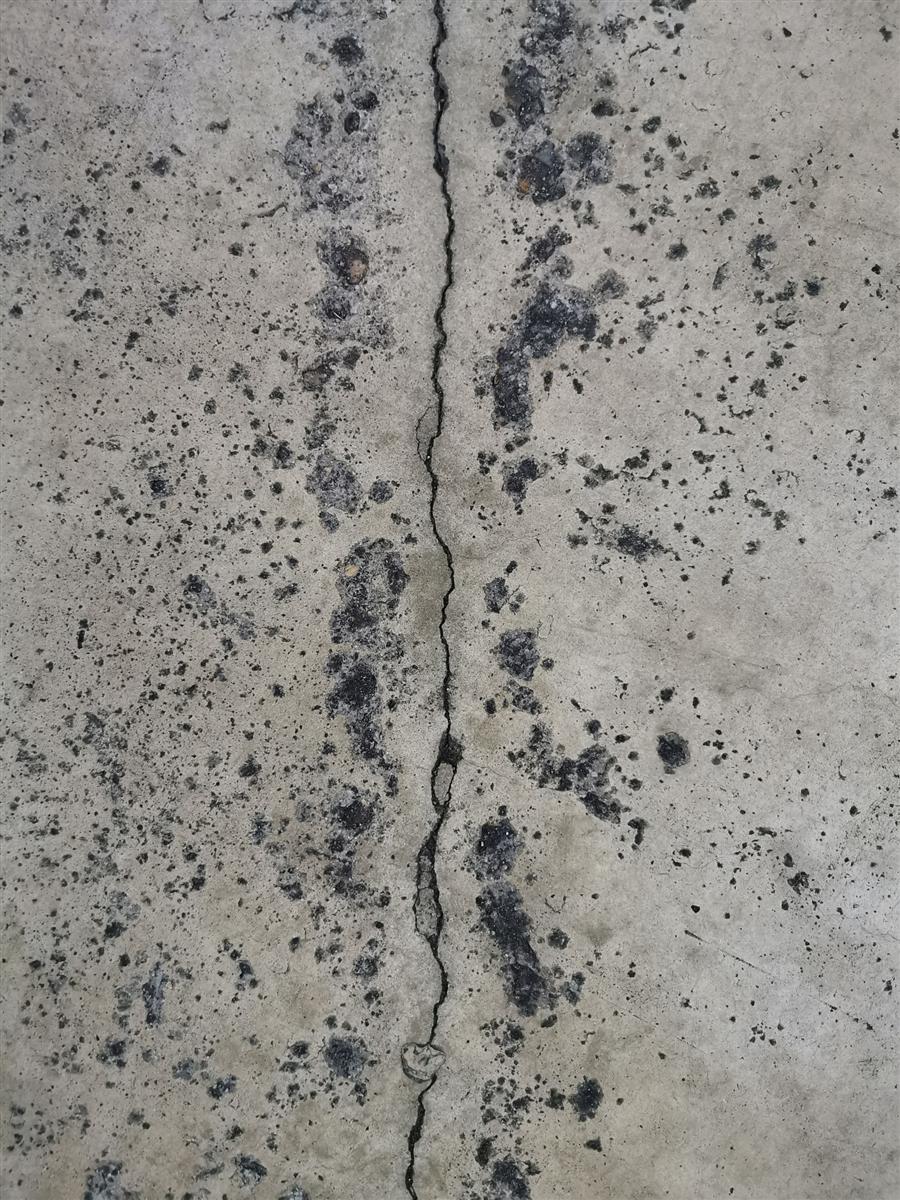
To be clear: a single hairline crack, a door that sticks in humid weather, or a slightly uneven floor in a 90-year-old house are not, by themselves, signs you need underpinning. The vast majority of foundation issues we see are handled with crack injection, drainage improvements, or masonry repair. Underpinning is reserved for cases where an inspection identifies genuine structural settlement or a deliberate plan to increase basement height — it is never a default recommendation.
Rule of thumb: one sign on its own is worth noting; two or more together, or any sign that’s actively getting worse, is worth a proper structural inspection before you assume the worst or ignore it.