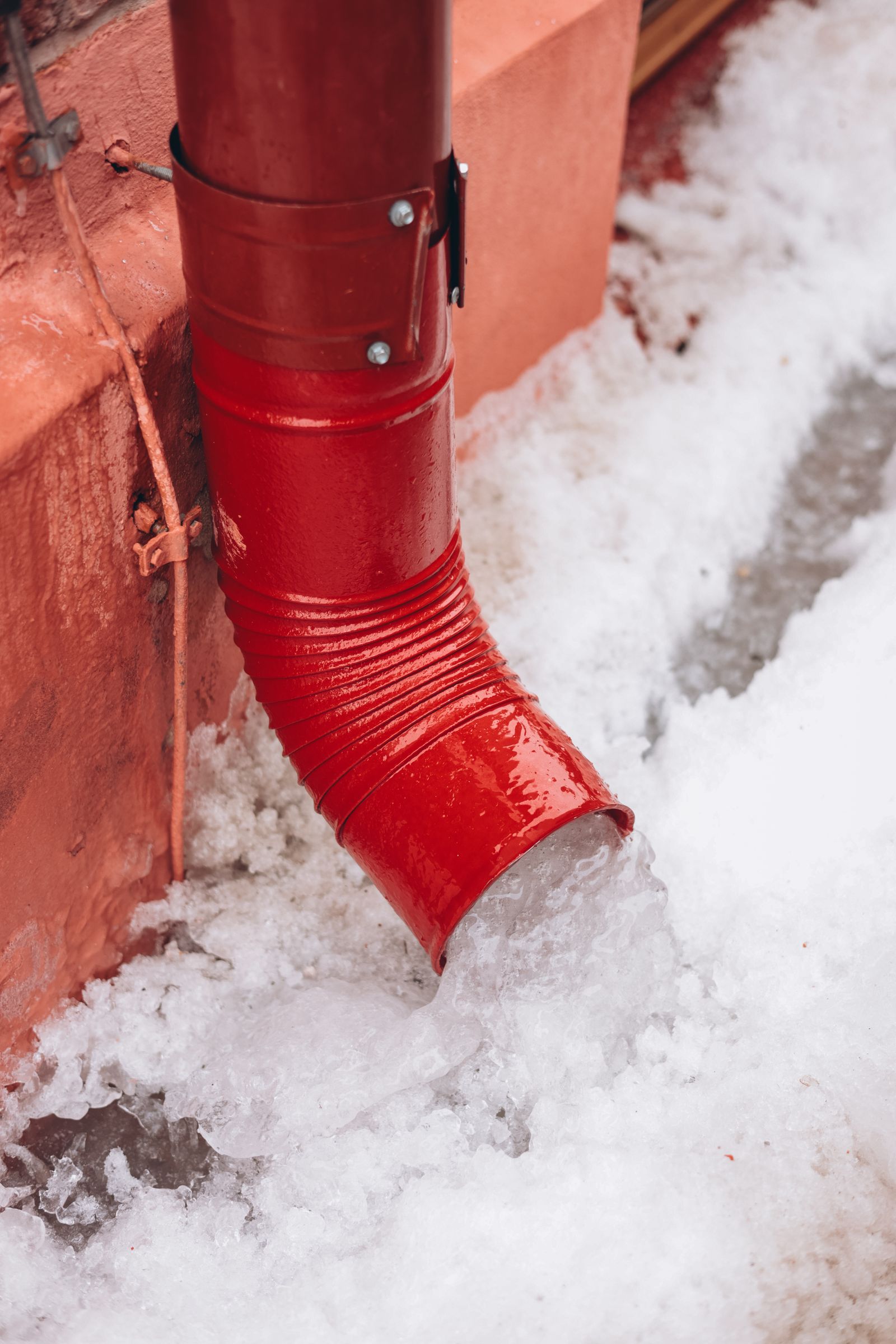
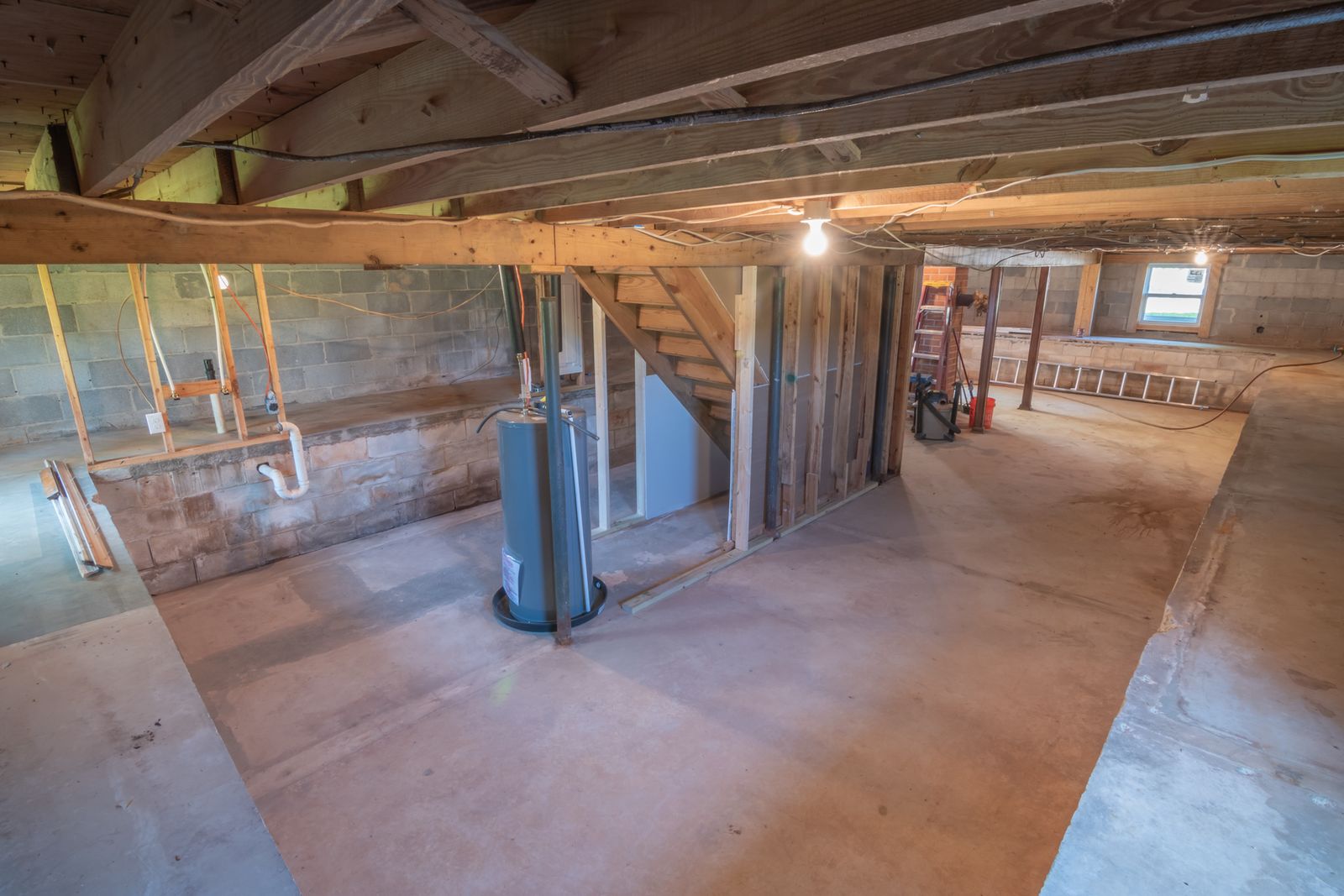
Ask five homeowners which kind of waterproofing they need and you’ll get five different opinions, usually based on whatever their neighbour did. The honest answer is that exterior and interior waterproofing solve two different problems, and the right one depends on your specific house, lot, and budget — not on which is “better” in the abstract.
What Exterior Waterproofing Actually Does
Exterior waterproofing works from the outside of the foundation wall, at the source. The process involves excavating down to the footing along the affected section of wall, cleaning the concrete or block surface, and applying a waterproof membrane directly to it. A dimpled drainage board typically goes over the membrane to channel water down to the weeping tile at the base of the wall, where it drains away from the house instead of pressing against it. Done properly, exterior waterproofing stops water from ever reaching the wall in the first place.
What Interior Waterproofing Actually Does
Interior waterproofing takes a different approach. Instead of stopping water outside, it manages water once it has already reached the inside face of the foundation. A channel is cut along the interior perimeter of the basement floor, next to the footing, and a new drainage system is installed inside it. That system collects water and directs it to a sump pit, where a sump pump lifts it and discharges it away from the house. The wall itself isn’t excavated or sealed from outside — the system simply gives incoming water a controlled path out instead of letting it pool on the floor or seep through cracks.
The Real Difference: Prevention vs. Management
This is the distinction that matters most. Exterior waterproofing is a prevention strategy — it keeps water away from the concrete entirely, which also protects the wall material itself from long-term water damage and freeze-thaw wear. Interior waterproofing is a management strategy — it accepts that water may reach the wall and focuses on getting it out of the basement quickly and reliably before it causes damage inside. Neither approach is wrong. They’re addressing the problem at different points in its path.
When Exterior Waterproofing Makes More Sense
Exterior work tends to be the better fit when you’re already excavating for another reason, such as a major renovation, an addition, or replacing old weeping tile. It’s also worth prioritizing on new construction, where the foundation is exposed anyway, and on homes where you want the wall material itself protected from ongoing water exposure, not just the basement interior kept dry. If the yard, driveway, or landscaping around the house can accommodate a dig without major disruption, exterior waterproofing is often the more complete long-term solution.
When Interior Waterproofing Makes More Sense
Interior systems are usually the practical choice when excavation isn’t realistic. A deck, a paved driveway, a shared wall with a neighbouring property, mature trees and landscaping close to the foundation, or simply a tight urban lot can make digging around the perimeter difficult, expensive, or disruptive to a degree that outweighs the benefit. Interior waterproofing is also typically faster to install, less disruptive to the yard, and a reasonable option when the goal is specifically to keep the basement dry and usable rather than to fully protect the wall from the outside in.
It’s Not Always One or the Other
Some homes end up with a combination: exterior work on the sections of wall that are easiest to access, paired with an interior system and a properly sized sump pump to manage the rest. The right mix comes down to what your foundation is actually doing — where water is entering, how the site is laid out, and what’s realistic to excavate. This is exactly what a proper inspection is for.
How We Help You Decide
We don’t sell one system as a default. A site visit lets us look at grading, downspout placement, the condition of the existing weeping tile if there is any, where water is actually showing up inside, and what excavation would realistically involve on your lot before recommending exterior waterproofing or interior waterproofing. Pricing depends entirely on scope, so we provide a written estimate after that inspection rather than a number over the phone.
Rule of thumb: exterior waterproofing protects the wall itself by keeping water out; interior waterproofing protects the space behind the wall by managing water that gets in. The right choice depends on your site, not a general rule.