Most of the basement water calls we take in a given year cluster into a few weeks. Not during the heaviest rain of summer, and not during the deep cold — but in the stretch right after a hard freeze breaks. There are specific reasons for that, and knowing them tells you what to watch for and when.
Frozen Ground Cannot Absorb Anything
The core of the problem is simple. During a Toronto winter, the upper layer of soil around your foundation freezes solid. Frozen ground is effectively impermeable — meltwater cannot soak down through it the way rain does in summer. So when temperatures climb and a winter’s worth of accumulated snow starts to melt, that water has nowhere to go but sideways and down along the path of least resistance.
Very often, the path of least resistance is the backfill immediately against your foundation wall. That soil was disturbed when the house was built and never compacts as tightly as undisturbed ground around it, so water finds it, follows it down, and pools against the wall. Meanwhile the deeper soil may still be frozen, meaning the water sits there under pressure rather than draining away.
Hydrostatic Pressure Is the Mechanism
Water standing in saturated soil against a foundation wall exerts real force — hydrostatic pressure. A wall that stayed perfectly dry through a rainy August can leak in March simply because the pressure regime is completely different. Water under pressure will exploit anything available: a hairline crack that never leaked before, a cold joint where the floor slab meets the wall, a gap around a service penetration, a porous section of block.
This is why homeowners are so often confused by spring leaks. Nothing about the house changed. What changed is that water is now being pushed against the wall rather than falling past it.
Freeze-Thaw Cycling Has Been Working on the Wall All Winter
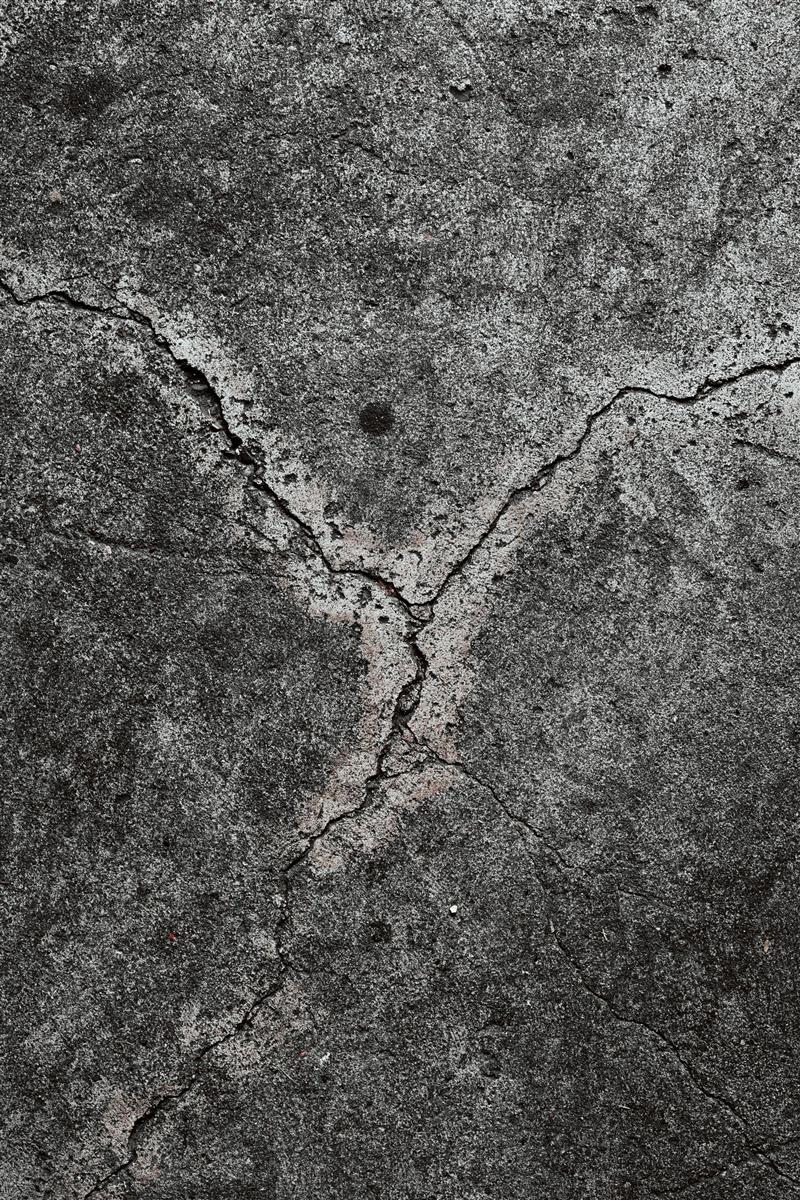
Toronto does not freeze once and thaw once. It cycles — repeatedly, across the whole winter and into spring. Every time moisture inside a crack, a mortar joint, or a porous patch of concrete freezes, it expands. Every thaw lets it contract. Over a season, that cycling widens existing cracks and degrades mortar joints, meaning the wall meeting the spring meltwater is measurably more vulnerable than the wall that went into December.
That is also why a crack you noticed last autumn and decided to monitor may behave differently now. It has had a winter of expansion and contraction working on it.
Where the Water Usually Shows Up
Spring leaks tend to appear in predictable places. The floor-wall joint around the perimeter is the most common, since it is a natural cold joint. Vertical cracks in poured concrete walls are next, particularly ones that were previously dry. Water can also enter around window wells that have filled with meltwater, through gaps where pipes or cables pass through the wall, and in older homes, through deteriorated mortar joints in block or stone foundations.
Efflorescence — that chalky white residue on the inside of a foundation wall — is worth noticing too. It means water has been moving through the wall and depositing minerals, even if you never saw standing water.
What Makes It Worse, and What You Can Actually Control
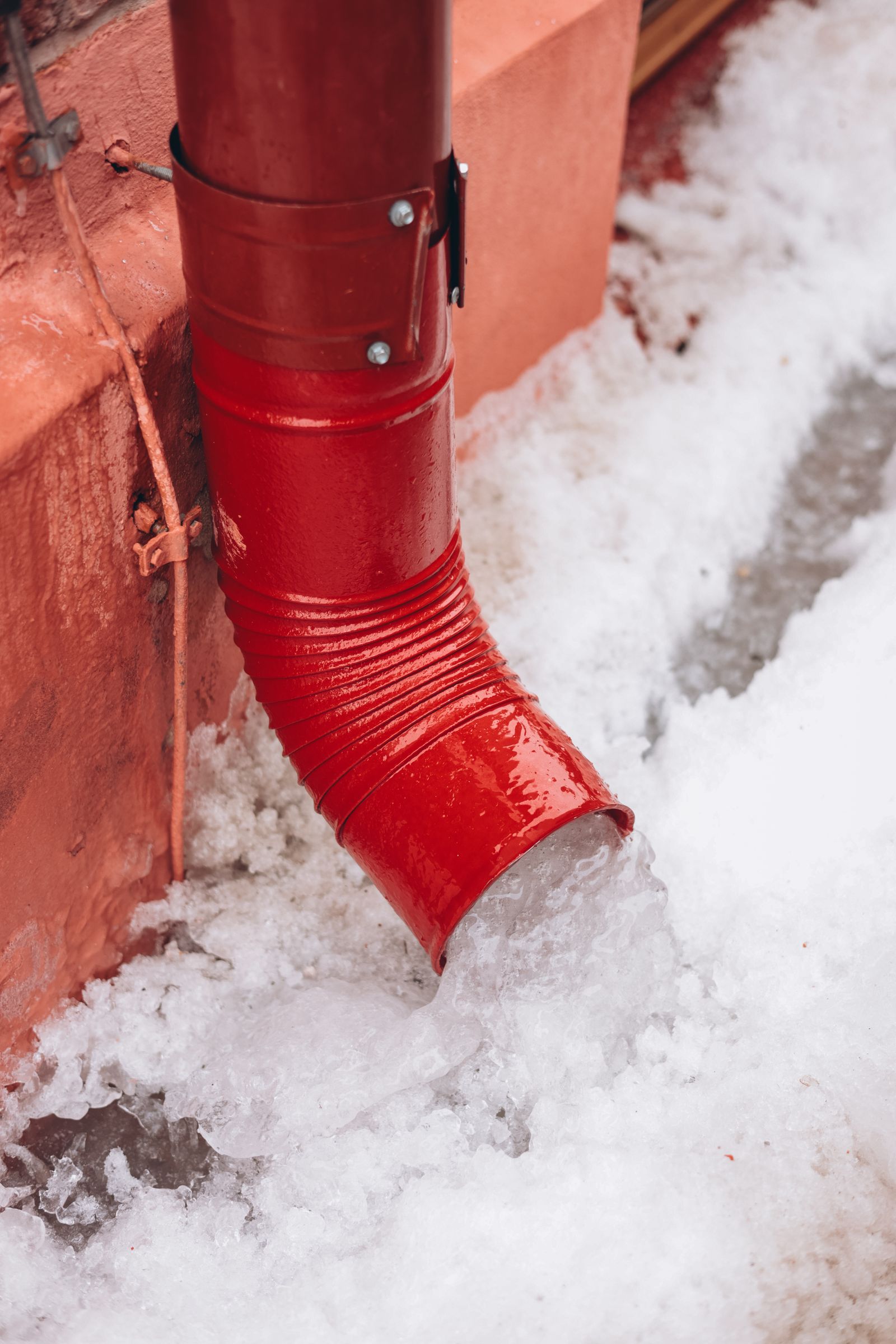
Several things quietly increase the risk, and most are fixable without any excavation. Downspouts that discharge right at the foundation concentrate meltwater exactly where you least want it — extending them well away from the house is one of the highest-value things a homeowner can do. Grading that has settled over the years so the ground now slopes toward the house rather than away has the same effect. Snow piled directly against the foundation, often from shovelling the driveway, delivers a concentrated volume of meltwater to one spot. Window wells without drainage or covers collect it directly.
Your sump pump also matters enormously here, because spring is when it works hardest. A pump that has sat idle since autumn is exactly the pump that fails when it finally has real volume to move — our maintenance checklist covers testing it before the thaw rather than during it.
What to Do When Water Appears
Note where it is entering, not just where it collects — water travels along the floor, and the puddle is rarely at the entry point. Photograph it while it is actively happening, since the evidence disappears once things dry out and an inspection weeks later has much less to work with. Check whether the entry point is a crack, the floor-wall joint, or a penetration, since each points to a different repair.
Then address the easy external causes immediately: clear snow away from the foundation, extend downspouts, and make sure window wells are draining. In a meaningful number of cases those steps alone reduce the problem substantially.
When It Needs More Than Housekeeping
If water returns each spring, if the crack it comes through is widening, or if the volume is enough to reach stored belongings or finished space, the underlying cause needs addressing rather than managing. Depending on what the inspection finds, that might mean crack repair, an interior drainage system to relieve the pressure, or exterior waterproofing to keep the water off the wall in the first place. Which one is appropriate depends entirely on how and where water is entering — and that is worth diagnosing properly rather than guessing at.
Worth knowing: a basement that leaks only in spring is not a basement with a small problem. It is a basement whose weakness only gets loaded once a year. The best time to book an inspection is while it is actively wet — that is when the entry point is visible.