A sump pump only earns its keep on the worst day of the year — the day the ground is saturated, the rain won’t let up, and the basement is depending on a motor that’s been sitting quietly for months. A few minutes of seasonal maintenance is what stands between that pump working and it not.
Why Toronto’s Seasons Matter Here
A sump pump doesn’t wear evenly through the year. It sits mostly idle over winter, then gets tested hard twice: once during spring thaw, when melting snow and spring rain saturate the ground all at once, and again through summer storm season, when heavy downpours can push more water at it in twenty minutes than it saw all winter. Checking the system ahead of both windows — rather than after a failure — is the difference between routine maintenance and a flooded basement.
Test It With a Bucket of Water
The simplest, most reliable test is also the most overlooked. Pour a few litres of water into the sump pit until the float rises and the pump kicks on. Watch that it starts promptly, moves water out at a steady pace, and shuts off cleanly once the level drops. If it hesitates, struggles, or doesn’t engage at all, that’s worth addressing before you actually need it, not after.
Check the Discharge Line
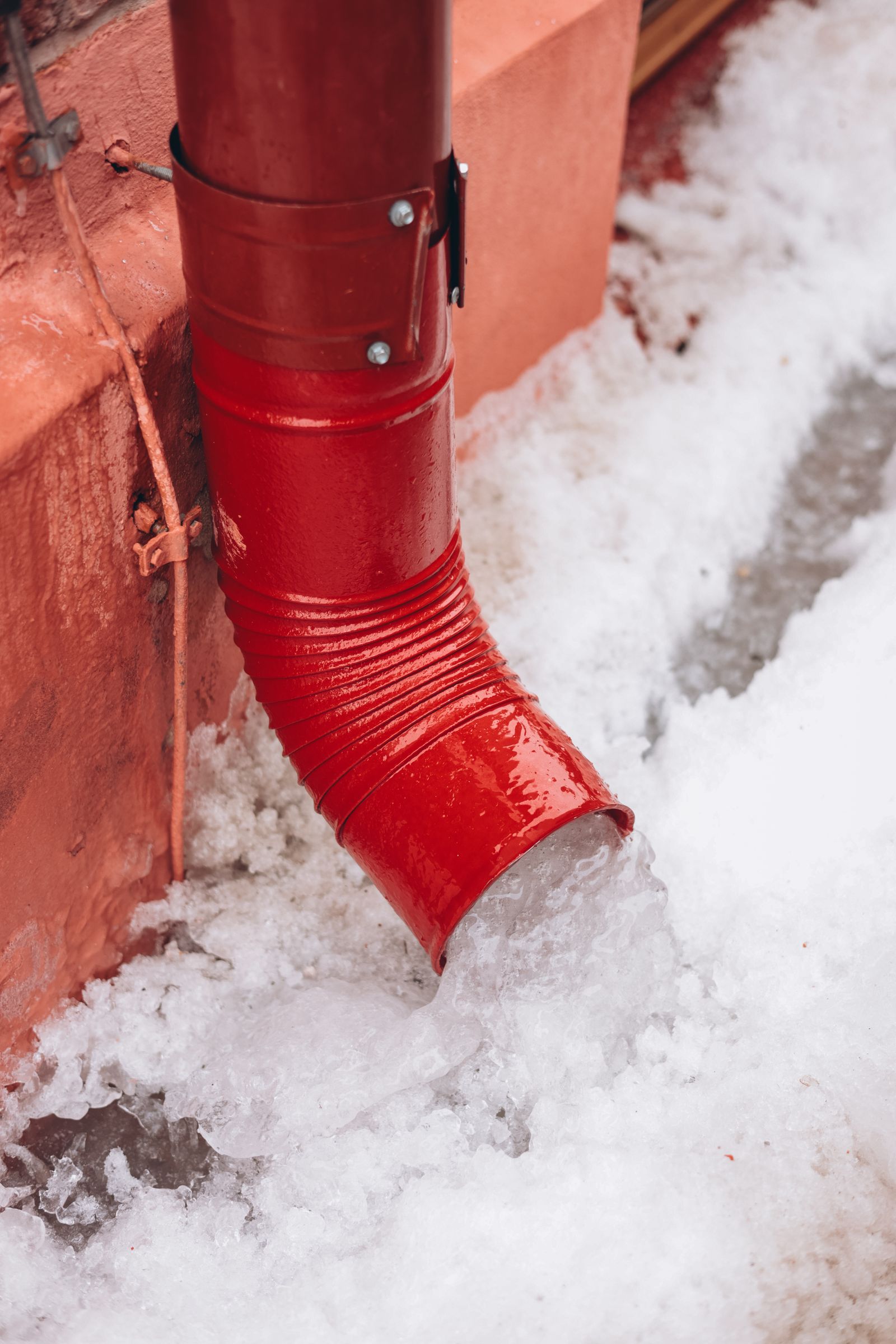
The discharge line carries water away from the pump and out of the house, and it’s a common point of failure. In winter, an outdoor discharge line can freeze solid, which stops water from leaving even if the pump itself is working fine. Year-round, check that the line isn’t cracked, disconnected, or blocked with debris, and confirm it actually discharges well away from the house — a line that dumps water right next to the foundation can undo the whole point of having a pump by sending water straight back toward the wall.
Check the Check Valve
The check valve sits in the discharge line and stops water from flowing backward into the pit after the pump shuts off. A failed or missing check valve makes the pump work harder and cycle more often than it should, since water keeps sliding back down for it to pump out again. If you hear the pump running in short, repeated bursts, a stuck or missing check valve is one of the first things to check.
Clear Debris From the Pit
Grit, small stones, and sediment settle in the bottom of a sump pit over time and can interfere with the float switch or get drawn into the pump itself. A quick visual check and clean-out, especially before a season where the pump is going to be working hard, keeps the mechanism moving freely.
Confirm the Float Switch Moves Freely
The float switch is what tells the pump when to turn on. If it’s wedged against the side of the pit, tangled in the power cord, or restricted by debris, it may not rise properly when water levels climb, which means the pump simply won’t activate when it needs to. Give it a manual lift to confirm it swings and resets freely.
Consider a Battery Backup Before Storm Season
Sump pumps run on electricity, and the storms most likely to overwhelm a basement are often the same storms most likely to knock out power. A battery backup system keeps the pump running through an outage, which is exactly when it’s needed most. It’s worth having in place before storm season arrives, not after the first outage during a downpour.
Know the Signs a Pump Is on Its Way Out
A pump nearing the end of its life usually gives some warning: short-cycling on and off repeatedly, a grinding or rattling noise it didn’t used to make, running far more continuously than the amount of water coming in would explain, or simply being old enough that its expected service life has passed. Any of these is worth having looked at before it fails outright. See our sump pump page for how we handle inspections, repairs, and replacements.
Rule of thumb: test your sump pump with a bucket of water before spring thaw and again before summer storm season — those are the two windows it’s most likely to be pushed to its limit.